
finding hope in the midst of despair
/rōot/ awakenings post # 8 - on hope, faith, and bridging spaces
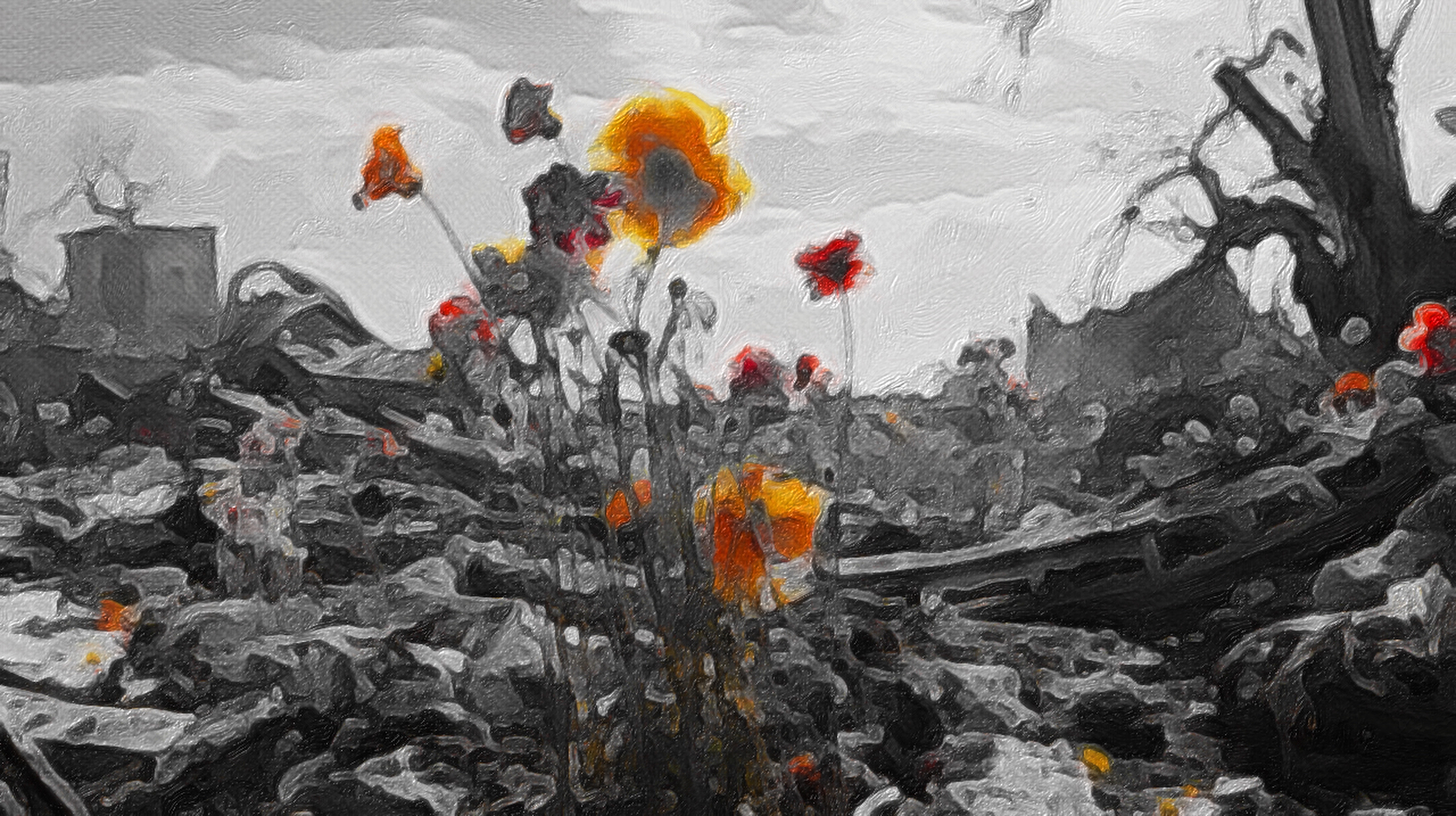
This week felt exceptionally heavy. The devastation from fires raging across Los Angeles. Mourning the loss of a leader who embodied the moral courage so desperately lacking in today’s world. Bearing witness to multiple genocides that remain unacknowledged by much of the Western world. Grappling with the reality of an increasingly dystopian future, where the few in power rewrite narratives to suit their agendas, feeding dangerous delusions and ignoring inconvenient truths.
In conversations with friends, I noticed a recurring theme begin to emerge: the impulse to “stay positive” or “be optimistic” in the face of despondency and fear. Whether discussing climate disasters, global instability, or collective grief, I noticed many people around me reaching for the bright side as a way to cope. On the surface, this seems understandable—an attempt to find light in the darkness. But in my experience forced optimism and positivity often ring hollow. Known as spiritual bypassing, this tendency to sidestep discomfort with phrases like “At least…” or “We just need to…” not only suppresses emotions that need processing, but also fails to honor the impact of our experiences.
Hope, however, is different. While optimism and positivity rely on outcomes and expectations—the belief that “everything will be okay”—hope isn’t tethered to certainty. Instead, it lives in the tension between despair and possibility, acknowledging both, without denying either. Hope is rooted in resilience and the belief in potential, even when the future feels deeply uncertain. It allows us to hold our pain while simultaneously holding space for the possibility of change.
As I reflected on hope this week, I was reminded of a discussion from my spiritual ecology class about stems. Stems are channels of connection—bridging the visible, external world above the ground with the unseen, intricate root systems below. They enable life to thrive, not through rigidity or certainty but through constant interaction and adapting to their environment.
Like stems, hope exists in these liminal spaces. It serves as a bridge between our present reality, and the possibility of something better beyond our immediate struggles. Hope nourishes and sustains us, even in the bleakest circumstances, resisting the binary of despair versus positivity. By thinking of hope as dynamic and fluid, we can see it as a force that connects where we are now to where we might go—helping us endure, adapt, and grow through hardships and challenges.
a compassionate reframe
Hope and faith travel hand in hand—hope grounding us in the possibility of a better future, and faith giving us the courage to trust in that possibility, even when the path forward is unclear. Choosing hope doesn’t mean denying our pain or the reality we face in this moment. It means meeting it with clarity and compassion—an invitation to care, to stay engaged, and to take action. Like stems bridge the space between the earth and sky, hope bridges the space between the present and the future, allowing us to keep moving forward.
reflection prompts
As you sit with the challenges of the current moment, I invite you to consider:
- What does hope mean to you in this season of uncertainty and upheaval? How does it feel in your body?
- Think of a time when you might have minimized pain, grief, or another challenging emotion with positivity or optimism. How might you honor the reality of what you are or were feeling without bypassing it?
- What is one small action you can take this week to ground yourself in the present while staying open to the possibilities of the future?
one final thought
Hope isn’t always easy to access, especially during times of deep uncertainty and struggle. It’s a practice—one that requires patience, persistence, and a willingness to begin again. If hope feels out of reach right now, that’s okay. The journey to cultivating hope isn’t linear, and there’s no wrong way to navigate it. Hope works in harmony with faith and self-compassion, reminding us to trust in possibilities even when we don’t know what is going to happen. It invites us to meet ourselves where we are, without judgment, creating space for hope to take root when the time is right.
May this week bring you opportunities to practice hope through moments of grounded connection, the courage to face the present, and the faith to believe in the possibility of something better.
Written by

subscribe
subscribe to receive new pieces as they're written





Member discussion