
who holds the duty of care for those carrying the mission?
the /rōoted/ leader # 15

As Mental Health Awareness Month continues, we pause to visit a principle too often neglected in today’s workplaces: duty of care. What was once a shared responsibility grounded in organizational ethics has, over time, been outsourced by organizations to the individual. Workers across trauma-exposed professions are now expected to self-regulate, self-heal, and stay resilient within systems designed to prioritize productivity over humanity—systems that fail to acknowledge the full weight of what their people carry in service to others.
The term duty of care originated in tort law and, in its simplest form, refers to a legal obligation requiring leaders and organizations to take reasonable steps to protect others from predictable harm. Historically, duty of care in many mission-driven spaces has focused on physical health and safety. While this remains essential, it is no longer sufficient—especially in trauma-exposed, service-driven sectors navigating the aftermath of a global pandemic.
According to a 2022 report from the World Health Organization, the COVID-19 pandemic triggered a 25% increase in the prevalence of anxiety and depression worldwide. Globally, an estimated 12 billion workdays are lost each year due to depression and anxiety, at a cost of $1 trillion in decreased productivity. And yet, these numbers reflect the general population. For those working in trauma-exposed professions, the toll is often deeper and more complex—affecting not only their productivity, but their purpose, identity, and capacity to remain in the work at all.
Exposure to direct and secondary trauma, moral injury, relentless workloads, and extended time away from loved ones makes helping professionals especially vulnerable to burnout, disconnection, and despair. These are not just personal hardships—they’re organizational risks. Left unaddressed, they lead to attrition, diminished morale, lost institutional knowledge, and a breakdown in collective trust.
The old models of duty of care were never built to carry the emotional, spiritual, and moral weight of today’s service work. We need a new framework—one that protects not just bodies, but also integrity, trust, and the inner capacity to sustain service without compromising our well-being in the process. A new, more holistic framework must expand beyond physical safety to include the mental, emotional, spiritual, and relational well-being of staff. And it must move from performative wellness initiatives to policies and practices rooted in compassion, sustainability, and shared responsibility.
In my book, Tell Me My Story—Challenging the Narrative of Service Before Self, I outline a framework grounded in four key commitments (p. 193):
- Commitment 1: Normalize and address occupational mental-health challenges and trauma
- Commitment 2: Evolve from metrics-driven cultures into human-centered ones
- Commitment 3: Support rest and recovery
- Commitment 4: Foster shared purpose and commitment
If we want to move away from extractive systems toward sustainable service, we must hold organizations accountable for providing a duty of care that honors the full humanity of those who serve. This isn’t just an individual effort; it’s a collective responsibility—one that begins with organizations fulfilling their duty to care for the people who carry their mission forward.
Come back next week to dive deeper into Commitment 1—Normalize and Address Occupational Mental-Health Challenges and Trauma.
tell me my story is now available as an audiobook!
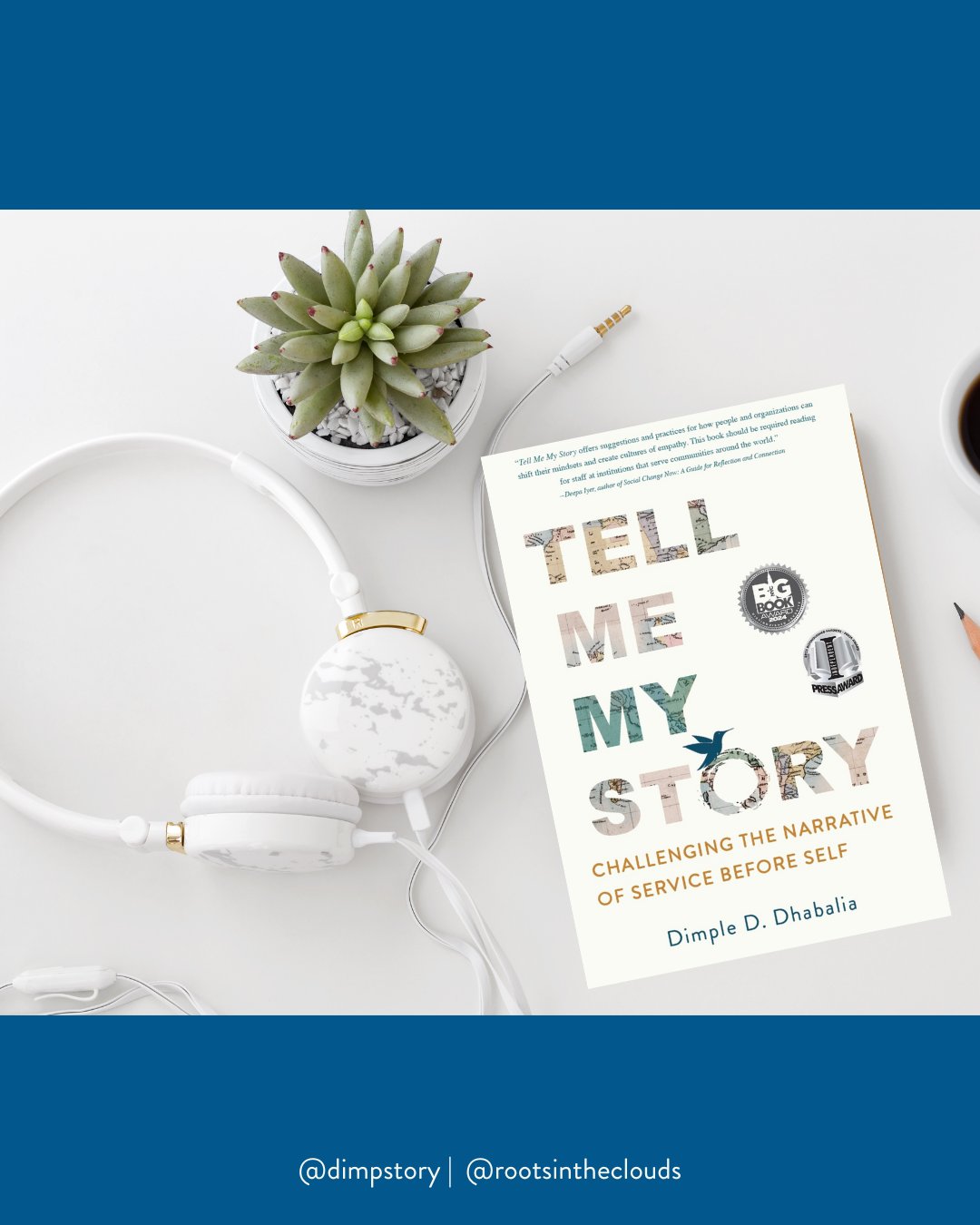
I’m honored to share that the audiobook version of Tell Me My Story: Challenging the Narrative of Service Before Self is now available. If you or someone you love has struggled with what it means to serve without sacrificing your well-being, this book is for you. Part memoir, part manifesto, and 100% my heart. The audiobook is available at most major audiobook retailers and libraries, however, or the time being, I’ve chosen not to make it available on Audible. I’m still assessing that decision, but for now it feels good.
If you listen and find something that resonates, please drop me a line, or better yet, please consider leaving a review. Every review helps indie authors like me reach more people. You can read more about my experience with recording the book here and find links to get the audiobook below.
Written by

subscribe
subscribe to receive new pieces as they're written










Member discussion