
the water we're swimming in
the /rōoted/ leader # 16 - on normalizing and addressing occupational mental health challenges and trauma in mission-driven sectors

As we deepen the conversation around duty of care, we turn now to the first commitment in Tell Me My Story—normalize and address occupational mental health challenges and trauma.
This commitment serves as a call to examine the systems and cultures we’ve built for those on the frontlines of service, and to ask if they are truly meeting the needs of the people within them. At the heart of that question is a simple but urgent truth: we can’t support those who serve if we continue to ignore the emotional and psychological toll that that serving others in trauma-exposed professions takes.
There’s a common narrative that people in mission-driven fields have always worked under pressure, operated in crisis mode, and "done just fine." But I’d argue they haven’t really been fine. They’ve been operating in survival mode—often without realizing it—because that mode has become so normalized in our culture and in our systems.
Survival mode may keep things functioning for a time, but it’s not sustainable over the course of a career. And it’s certainly not a foundation for thriving organizations. If we want our workplaces to become spaces where people can flourish—not just endure—we have to do more than talk about well-being. We must design for it.
This starts by recognizing that occupational trauma is an inherent part of mission-driven work. From vicarious trauma and burnout to moral injury, institutional betrayal, and compassion fatigue, the emotional weight of serving others leaves real and lasting impacts—especially when compounded by systemic stressors, subtle acts of exclusion and microaggressions, and workplace cultures that have historically prioritized productivity over people.
Normalizing and addressing these challenges requires three key shifts:
1. Become a trauma-informed organization
Trauma-informed organizations don’t just understand what trauma is and how it shows up, they acknowledge it without stigma. This requires leaders to listen and acknowledge what their people are experiencing, proactively create transparency around available resources, and lead by example when it comes to regulating and resetting their nervous systems in the face of stress and uncertainty.
A trauma-informed approach destigmatizes mental health challenges in these lines of work and gives people permission to be human. It fosters psychological agency and offers resources and community—not platitudes—for navigating the distress they’re experiencing in a sustainable way.
2. Design cultures of empathy
Empathy and connection are essential to trust, morale, and retention. When people feel seen and heard, trust grows—and with it, a culture where both people and missions can thrive. The problem is many leaders don’t understand what empathy actually is, viewing it, and those who practice it as being soft because they’re “too nice.” But empathy isn’t about being nice—it’s about being present.
It’s the willingness to sit with someone in their experience without trying to fix, minimize, or rush past what they’re feeling. In many organizations, that kind of presence gets lost—not because people don’t care, but because the systems within which they’re operating undervalue the relational skills necessary to foster empathy.
A lot of people attribute this lack of empathy to the systems being broken. But the truth is, our systems aren’t broken—they’re doing exactly what they were built to do. And if they were built without empathy, then empathy has to be intentionally reintroduced.
Empathy doesn’t require grand gestures. More often than not, it’s takes root in the small moments like slowing down long enough to ask how someone is doing—and then truly listening to the answer. It looks like leaders modeling presence, regulating their own nervous systems, and creating space for real, human connection through consistency and transparency, not just through programs or talking points.
3. Heal root issues and organizational trauma
When the same harms keep happening—or when silence surrounds past harm—organizational trauma begins to take root. This kind of trauma often goes unrecognized, but it affects everything: communication, trust, decision-making, and equity.
Healing root issues requires honesty about where the organization is right now—not just where leadership wants it to be. It means acknowledging past harm, revisiting policies and practices, and aligning the organization’s internal culture with its external mission. It also means creating structures that support both accountability and care.
Most people working in mission-driven spaces are doing their best to keep their heads above water—not because they aren’t strong or skilled, but because the systems around them were never designed to acknowledge or support their well-being.
We can change that.
By becoming trauma-informed, leading with empathy, and addressing the root causes of organizational harm, we create cultures where people no longer have to choose between their humanity and their service.
And in doing so, we don’t just protect our people—we strengthen the very missions we’re here to serve.
If you want to learn more and check out more detailed examples of the points above, be sure to check out Part 6 of Tell Me My Story—Challenging the Narrative of Service Before Self and then join me back here next week to dive deeper into Commitment 2—Evolve From Metrics-Driven Cultures Into Human-Centered Ones.
tell me my story is now available as an audiobook!
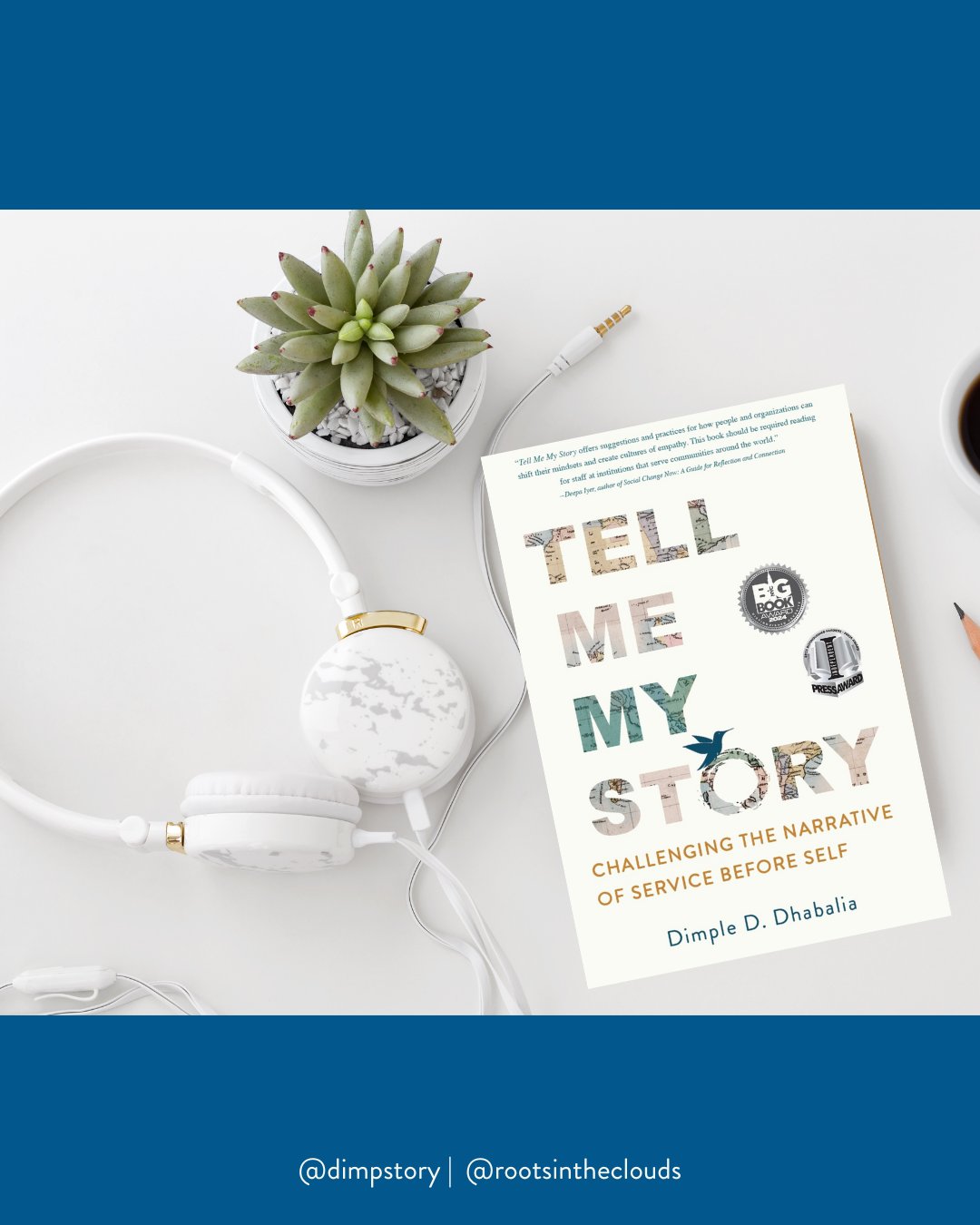
I’m honored to share that the audiobook version of Tell Me My Story: Challenging the Narrative of Service Before Self is now available. If you or someone you love has struggled with what it means to serve without sacrificing your well-being, this book is for you. Part memoir, part manifesto, and 100% my heart. The audiobook is available at most major audiobook retailers and libraries, however, or the time being, I’ve chosen not to make it available on Audible. I’m still assessing that decision, but for now it feels good.
If you listen and find something that resonates, please drop me a line, or better yet, please consider leaving a review. Every review helps indie authors like me reach more people. You can read more about my experience with recording the book here and find links to get the audiobook below.
Written by

subscribe
subscribe to receive new pieces as they're written










Member discussion