
on becoming vintage
reflections on turning 50

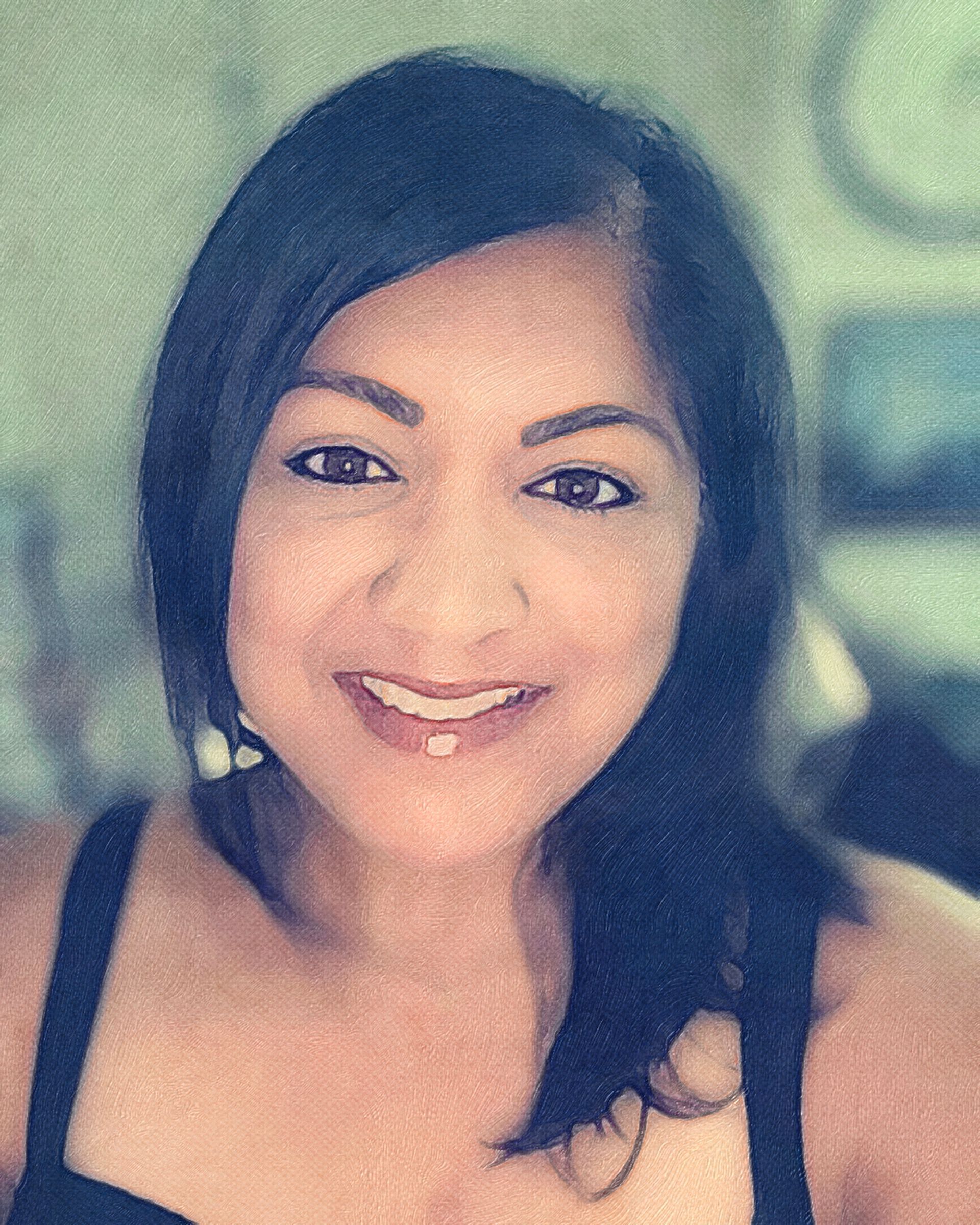
Fifty. Half a century. It’s a number that feels monumental in the context of a single human life, yet fleeting when set against the vastness of nature and the universe. Growing up, fifty seemed impossibly distant—an age I associated with wisdom, being settled, and, if I’m being honest, getting old. But today, as I cross the threshold into this new decade, toggling between gratitude, awe, and a quiet curiosity about what comes next, the truth is, I don’t feel old. Sure, my body has some creaks and cracks, and perimenopause has become the house guest that refuses to leave. But as a writer, I’m deliberate about word choice, and “old” doesn’t feel like the right descriptor to mark this milestone.
In fifty years, entire worlds within us have the capacity to shift—like the slow arc of the sun across the sky, the aging of a fine wine, or the deepening of roots in a towering oak. In this context, the word “old” feels dismissive and devoid of nuance, like a conversation where the most important parts are left unsaid. But vintage, on the other hand—vintage has character. It’s storied. It’s classic. And dare I say, maybe even a little bit cool?
When I recently looked up the definition of vintage, one particular phrase lingered with me: denoting something of high quality, especially from the past or characteristic of the best period of a person’s work. It made me wonder why we so often tie value to the past, as if the best parts of life are fixed moments rather than an evolving story. It seemed to echo a belief perpetuated by the patriarchy for generations: that as women age, our lives become less meaningful, less vibrant, or less valuable—that the best we have to offer has already come and gone.
But what my experiences—and the experiences of the women who came before me—have shown is that life isn’t a straight path of diminishing returns. The problem is, in our 20s, 30s, and 40s, we’re so caught up in the hustle, the expectations, and the need to achieve and take care of everyone around us, that we often miss the moments as they’re happening, only recognizing their significance in hindsight.
Our culture has a way of connecting major milestones with certain expectations. In the case of turning 50, it’s either a grand celebration or a cause for midlife panic. But for me, as I step into the decade my dad was in when he passed away, it’s become a moment to confront deeper questions about mortality and legacy: Have I done enough? What do I have left to do with the time I have? What would I do if fear wasn’t an obstacle? What contributions will the world remember me for?
These questions often creep in during restless nights, fueled by the hormonal rollercoaster of perimenopause. They aren’t easy to answer, but perhaps they aren’t meant to be. Maybe they’re here to guide me toward clarity, to silence the noise and distraction of the world, and to ground me in what matters most. They’ve prompted me to reflect on how each phase of my life has shaped who I am today and how the road ahead still holds space for new growth, new changes, and new discoveries.
My 20s were about meeting expectations—those of my family, my culture, and myself. As the daughter of immigrants, I felt immense pressure to finish college, build a career, get married, and start a family. I followed the script because I didn’t know I could choose a different option. While the weight of expectations and the fear of failing were constant companions, just below the surface was a quiet yearning for something more—a feeling I couldn’t yet articulate. At the time, I couldn’t see how much of myself I was hiding in my attempts to fit into a mold that wasn’t designed for me.
My 30s were about wanting to escape. The decade began with the loss of my dad, just a month after my 30th birthday—a loss that changed me in ways I hadn’t expected. Within a year, I left an abusive marriage, moved to a new city, and started a new job, all while grappling with the shame of divorce, financial fears, and the belief that I wasn’t worthy of love. My desire to escape also made this my most nomadic decade: seven moves in nine years. I fulfilled a dream of living and working in Greece almost a decade after I first traveled there as a student. Lured by the siren call of the people, culture, food, and the crystal-clear, aquamarine waters of the Aegean, I made a vow to return one day. I coped with the pain of my losses by throwing myself into my work, interviewing asylum seekers and refugees—people whose resilience gave me new perspectives and forever shaped my beliefs about the strength of the human spirit and the power of community.
My 40s were a turning point—shaped by a decade of deep loss and transformative growth rooted in grief. My mom’s sudden death hit me like a tsunami—each wave of grief leaving me unsteady, gasping for breath. Six months later, just as I started to find my footing again, a violent new wave pulled me under once more when the world locked down as a global pandemic ravaged the Earth. This time, it was a collective grief for all the lives lost and for the loss of life as we once knew it. Unable to escape it, I ultimately surrendered, and in time, I learned to see the paradox of grief—that the more it hurts, the deeper we loved. Grief softened my edges and deepened my compassion, teaching me that pain is a universal language and that the trauma I’d carried for so long wasn’t something to hide—it was the source of my superpowers and what allowed me to empathize, connect, and hold space for others.
Now, as I step into my 50s, I feel clarity and purpose as I enter a decade of rooting—in my values, in my connection to the land and humanity, and in the strength of my voice. It’s about tapping into moral courage in the face of injustice, oppression, and dehumanization. It’s about letting go of perfectionism, people-pleasing, and pain to embrace the messy, beautiful truth of who I am.
Decades of high-quality moments have allowed me to earn the right to say “enough.” I’ve lived enough to know that joy isn’t always found in the loud and flashy experiences but more often in the quiet, everyday ones—the sound of rain against the skylight, the smell of damp earth in the woods, the warmth of a hug, or the echo of my mom’s laughter in my memory.
Becoming vintage isn’t about looking back wistfully at my youth, and it isn’t just a designation; it’s a way of being. It’s the confidence to embrace imperfections, the wisdom to see beauty in the ordinary, and the courage to step into the eye of the storm, grounded and at peace, as life’s uncertainties swirl with fury around me. It’s about recognizing that each phase of life holds lessons and opportunities—moments of high quality that have made me who I am.
The real beauty of becoming vintage isn’t tied to any one moment in life—it’s the recognition that the best parts are threaded through all of it: the past, the present, and the moments still waiting to unfold.
Written by

subscribe
subscribe to receive new pieces as they're written




Member discussion