the conversation we keep avoiding is the one we need the most
the /rōoted/ leader # 14
May is Mental Health Awareness Month. Given the realities of working in trauma-exposed, service-oriented professions, I believe more than ever that mental health must become more than a one-month conversation.
And yet, I know these conversations can be hard. Many leaders—under pressure to stay composed, keep teams focused, and avoid “getting too personal”—shy away from talking about mental health altogether. But silence doesn’t protect us. It isolates us. And it sends a message, however unintentional, that these struggles are tied to shame and should be hidden.
If we want to move beyond performative awareness, we need to create brave spaces where honest, ongoing dialogue is possible. Spaces where grief, overwhelm, fear, and fatigue aren’t seen as liabilities—but as part of being human. Spaces where we actively work to remove the stigma around the mental health realities of this work by talking about them openly and without shame.
Because when we acknowledge that the “cost of caring” is real, we begin to create the kind of safety that allows people to say, “I’m not okay”—and believe they don’t have to carry it alone.
I know that many of you are being asked to lead through unthinkable times. Systems are collapsing. Values are being weaponized. And in the middle of it all, you're still showing up for your people.
With this in mind, I wanted to offer something to help leaders begin to create these kinds of brave spaces.
I’ve put together a series of free resource guides and talking points for leaders on topics like vicarious trauma, compassion fatigue, moral injury and institutional betrayal, and grief, with additional topics coming soon. Each guide includes background on the topic, sample talking points, discussion prompts, and links to additional resources.
They’re not meant to be prescriptive. My hope is that they offer a starting point—one that supports honest, heart-centered conversations and fosters trust, psychological safety, and connection on your teams and in your organizations.
If there are other topics you’d like to see, just hit reply and let me know.
In case you haven’t heard it today I just want to say that the work you do matters. And it often carries deep pain. That’s why I believe it’s essential for leaders to normalize that the trauma and grief that come with caring are not signs of weakness or failure—they’re reminders that even as we work to ease suffering in the world, we remain human.
You don’t have to do it alone.
And you don’t have to give up your humanity in the name of service.
In solidarity + gratitude,

tell me my story is now available as an audiobook!
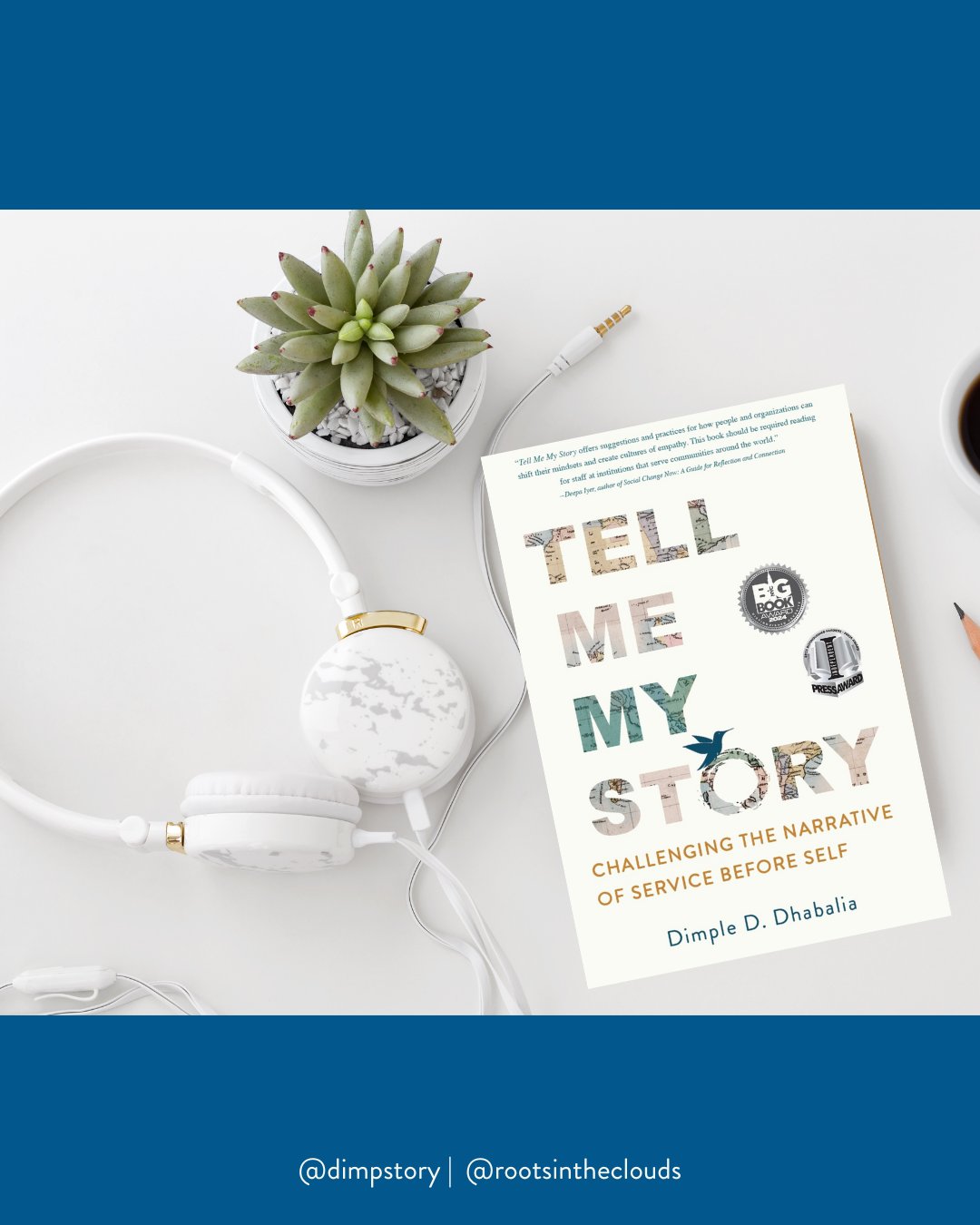
I’m honored to share that the audiobook version of Tell Me My Story: Challenging the Narrative of Service Before Self is now available. If you or someone you love has struggled with what it means to serve without sacrificing your well-being, this book is for you. Part memoir, part manifesto, and 100% my heart. The audiobook is available at most major audiobook retailers and libraries, however, or the time being, I’ve chosen not to make it available on Audible. I’m still assessing that decision, but for now it feels good.
If you listen and find something that resonates, please drop me a line, or better yet, please consider leaving a review. Every review helps indie authors like me reach more people. You can read more about my experience with recording the book here and find links to get the audiobook below.