
learning to honor divine rage and release it with grace
/rōot/ awakenings post # 4
Late last week, I discovered that a ghostwriting company called My Story Biographies had misrepresented their services, using images of my book (along with several others) on their website and marketing materials to falsely suggest they were behind its success. To describe this moment as upsetting would be an understatement. I spent two years carefully crafting every word and design element of my book and its cover, so seeing my work falsely claimed and exploited by strangers and a company I had never heard of was infuriating and deeply frustrating.
This moment filled me with rage—not only for the dishonesty and injustice but also for the larger systems that perpetuate harm against artists every day. While this situation was deeply personal, it reflected a broader pattern of exploitation and inequity. On a larger scale, news headlines continue to stoke even deeper feelings of rage—emotions I know many of us are grappling with. On top of that, the holidays amplify stress and emotional weight, politics deepen divisions, and world events continue to expose oppression, indignities, and the darker sides of humanity.
But here’s the thing: rage isn’t inherently bad. In fact, it can be sacred. I’ve recently been speaking about stepping into my era of divine rage, and truthfully, it’s something I take pride in. Divine rage isn’t something to be ashamed of—it’s an anger rooted not in pettiness or ego, but in a profound sense of moral clarity. It’s the fire that fuels action, the force that declares, “This is not okay,” and demands justice.
When I learned about the misuse of my book, it was divine rage that gave me the clarity and energy to take action. I publicly called out the company’s fraud and misrepresentation on social media, demanded they remove not only my book but other images they had appropriated, and began the process of restoring integrity to the situation. Similarly, the stories in the media—though heart-wrenching—are fueled by the divine rage of people fighting for freedom, dignity, and justice in the face of oppression. It’s a reminder that when channeled, divine rage has the power to be deeply transformative.
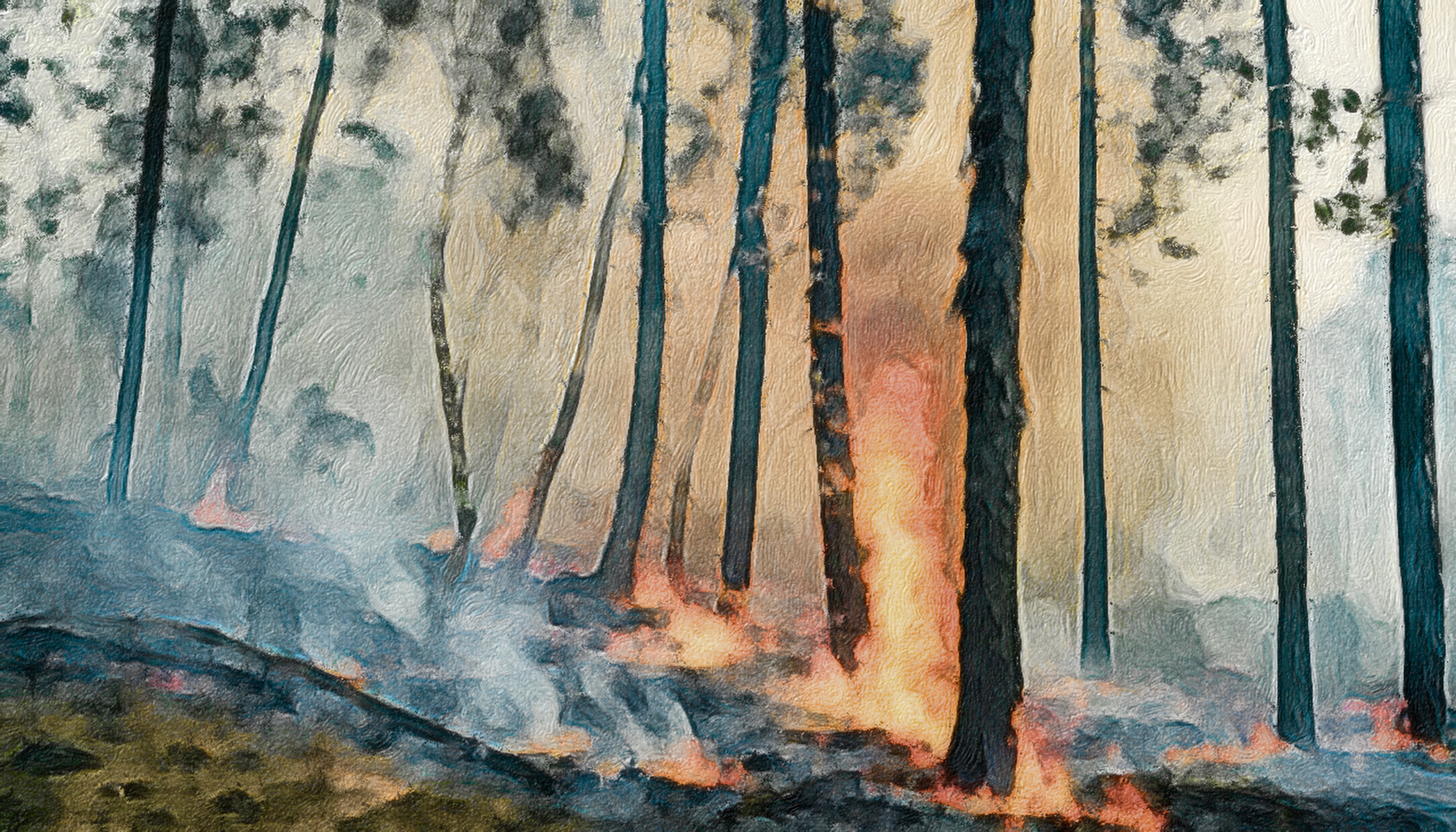
In spiritual ecology, fire is seen as both destructive and regenerative. A wildfire clears away deadwood, creating space for new life to grow. But once the flames have done their work, nature begins the process of renewal. In the same way, learning to let go of our rage after it has served its purpose, allows space for peace and healing to take root.
Similarly, divine rage, like fire, must be handled with care. It can burn brightly, illuminating the path forward, but if we hold onto it for too long, it can consume us. Once the necessary actions are taken, clinging to rage only keeps us tethered to the pain and resentment of the moment.
a compassionate reframe
Divine rage is a natural—and deeply human—response to injustice and dishonesty. It arises from a profound sense that something is out of alignment and demands our attention. However, this sacred anger is not meant to be a permanent state; it’s a signal, a catalyst for action, and a force for meaningful change. When we channel divine rage with clarity and purpose, it has the power to restore balance and uphold our values.
However, once we’ve used our rage to address the situation, for our own well-being, we must learn to release it. To be clear, letting go doesn’t mean we condone what happened—it means we refuse to let it control us. Divine rage serves its purpose when it moves us to act in alignment with our integrity. Beyond that, it becomes an invitation to root ourselves more deeply in our values, redirect our energy toward what truly matters, and release what no longer serves us. While divine rage has its rightful place and power, so does peace.
The beauty of being human lies in our ability to recognize both and to choose which we nurture. When we honor the wisdom of divine rage without allowing it to consume us, we create space for clarity, healing, and renewal.
reflection prompts
Even if you’re not currently in your era of divine rage, it is a universal human experience—one you’ve likely encountered in the past or will face in the future. Here are a few prompts to help you reflect:
- What does divine rage mean to you? How can you distinguish it from anger that is harmful or draining?
- When you’ve felt rage in the past, how have you used it to create meaningful change?
- What practices or rituals help you let go of anger once it has served its purpose?
one final thought
Divine rage is sacred because it reminds us of what we value, what we’re willing to fight for, and what we refuse to accept. But its power lies not only in its intensity but in our ability to release it when the time comes. By letting go of rage, we make room for the clarity, love, and renewal that sustain us.
May you honor the wisdom of your divine rage and find the strength to transform it into purposeful action and, ultimately, peace.
Written by

subscribe
subscribe to receive new pieces as they're written







Member discussion