leading at the crossroads of collapse and conscience
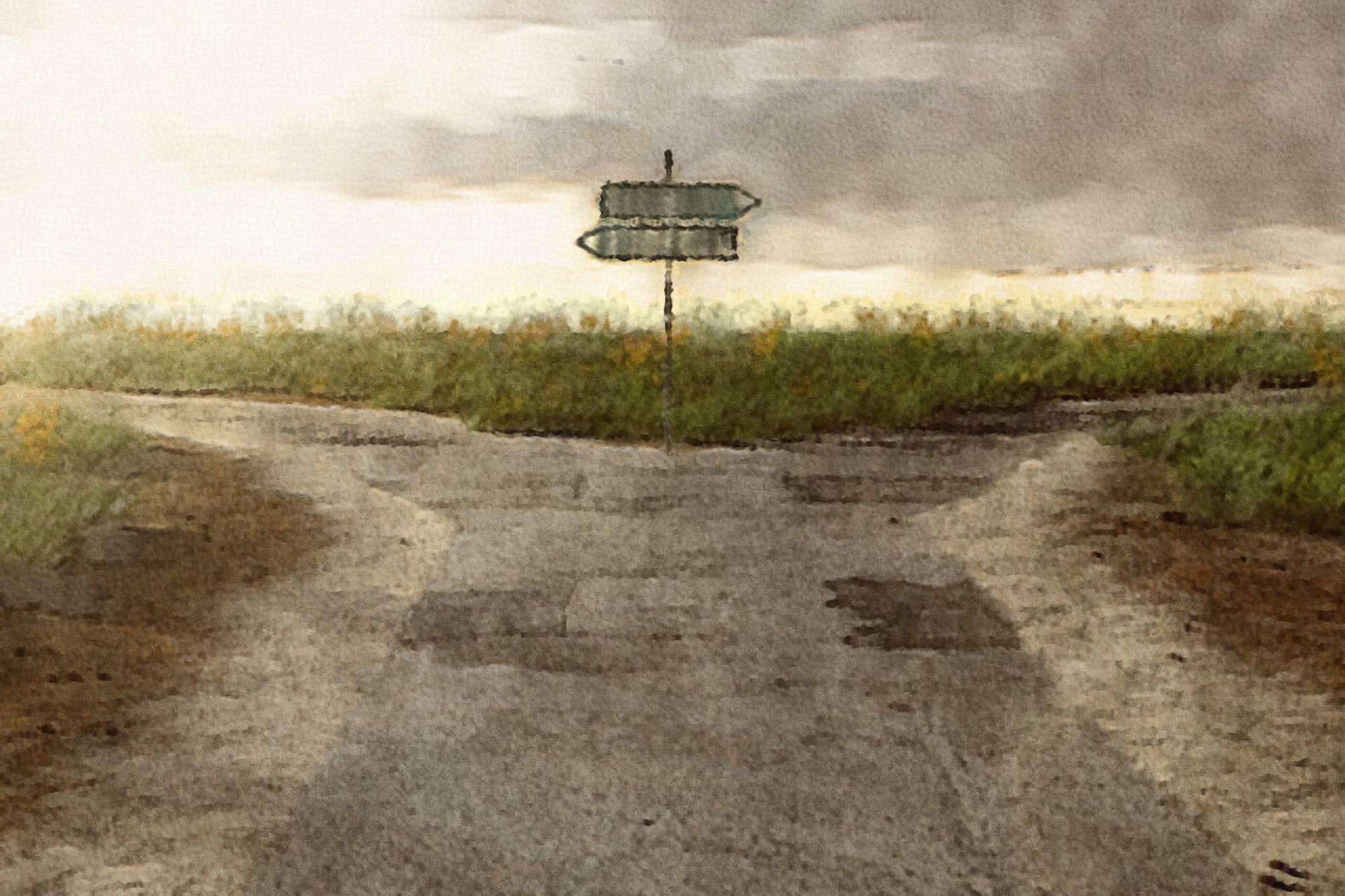
We are living at the intersection of collapse and conscience. The systems we once trusted are fraying. War, climate chaos, displacement, rising authoritarianism, and institutional erosion aren’t isolated events—they’re converging, compounding, and reshaping the world around us.
This is the polycrisis.
life at the intersection of moral injury, institutional betrayal, and the polycrisis
For those of us in service—humanitarians, educators, public servants, healthcare providers, organizers, caregivers—the impact is not just professional. It’s personal. It’s relational. It’s structural. The ground beneath us is shifting, and we are being asked to make impossible choices—often between our values and our survival.
This is where moral injury and institutional betrayal collide with the polycrisis. And at their intersection, we find more than burnout. We find systemic corrosion—a slow, spreading erosion of ethics, trust, and care. And it’s asking us not just to respond—but to reimagine how we lead, and who we become in the process.
Moral injury occurs when we are forced to act—or prevented from acting—in ways that violate our deepest values. When we are told to stay silent in the face of harm. To carry out directives that we know will cause damage. To abandon communities, protect institutions over people, or compromise justice for the sake of survival.
And when we turn to our organizations for support—expecting accountability, care, or solidarity—but instead encounter denial, minimization, or punishment, we experience institutional betrayal. It is the rupture that comes not just from harm itself, but from being failed by the very systems we trusted to do better.
While many of us have experienced both moral injury and institutional betrayal over the course of our careers, when situated within the context of the polycrisis, these experiences take on an even more disorienting weight. The stakes are higher, the harms more layered, and the choices more impossible. What might once have been a moral dilemma becomes a chronic condition—a daily negotiation between values and viability. The damage doesn't just live in a single moment—it seeps into the culture, the policies, and the nervous systems of entire institutions. But institutions are made up of people—and that harm echoes inward. It embeds itself in our own nervous systems, shaping not just how we react, but how we make sense of what’s happening.
Before we even talk about how our bodies respond to these moments, we have to look at the stories we’ve internalized—about who we are, what we’re allowed to feel, and how we’re supposed to survive.
the shame of our survival stories
These stories often take root before we’re old enough to question them—shaped by family, culture, religion, and systems rooted in colonialism, supremacy, and patriarchy that have dictated what’s “professional.” Who gets to be safe. Who has to stay silent. Who is allowed to take up space. Who must shrink to belong.
One of the most deeply conditioned stories—especially within our roles as leaders and professionals—is about compliance and defiance. From a young age, we’ve been conditioned that compliance makes us “good,” and defiance makes us “bad.” That framework has been wired into our nervous system. As we grew up and moved into professional spaces, compliance became associated with safety, belonging, and praise. Defiance became tied to danger, exclusion, and shame.
So when we find ourselves in moments of moral conflict—where doing the right thing might look like defiance—our bodies, remembering what it takes to stay safe, may interpret the conflict as a threat, not a choice.
This isn’t a weakness. It’s neurobiology.
Because here’s the truth:
Our bodies carry these experiences.
When we feel morally compromised or betrayed, our nervous system responds the only way it knows how:
Fight. Flight. Freeze. Fix. Fake.
These are survival responses.
They are not character flaws.
They are not moral failings.
They are signs that we’re human.
Understanding this helps us begin to decouple shame from our survival reactions. And it gives us language to talk about the deeper forces at play when we freeze, stay silent, try to fix the situation and over-function, or collapse into exhaustion.
So how do we begin to find our footing again in the face of all this?
choosing a different way to lead
To lead effectively in the polycrisis, we have to root ourselves in practices that don’t demand perfection—but allow for grace. Practices that make space for the complexity of what we’re holding.
This is where the Notice, Name, Navigate, Normalize framework comes in:
- NOTICE what is happening in your body, your environment, your team. What sensations, emotions, or dynamics are present? This is the foundation of self-awareness.
- NAME the experience and underlying emotions with self-compassion. “This feels like fear.” “I feel silenced.” “This goes against what I value.” Naming interrupts shame and allows us to reclaim our truth.
- NAVIGATE with care. What do you need in this moment? What boundaries can you hold? What’s one loving or values-aligned action you can take?
- NORMALIZE your response. You’re not overreacting. You’re responding to a very real history—both personal and collective. This is what it means to be alive in a time of rupture.
There’s no map or blueprint for leading in the face of tyranny. But there is a path. And it begins not with strategies or slogans, but with truth-telling. With bearing witness to our own pain and each other’s. With restoring dignity where it has been stripped away.
If you are feeling the weight of it all right now—please know this:
You’re not alone.
Your body is not betraying you.
And your story, however messy or unfinished, is part of a larger reckoning—and a larger remembering.
a quick note
For the next two weeks I’ll be taking a break from my devices to engage in silence, reflection, and spiritual practices in community. Instead of a full /rōoted/ leader post, I’ve prepared a couple of themed collections with pieces you may have missed or might want to revisit. Regular posts will resume the week of April 27th. Wishing you a safe, healthy, and grace-filled couple of weeks ahead 🩵
Thanks for reading the rōoted leader! Subscribe for free to receive new posts and support my work.