
what if connection has always been the most important metric?
the /rōoted/ leader # 17 - on social connection, promoting psychological agency, and sharing stories

Last week, we explored the need for organizations to become trauma-informed by normalizing and addressing occupational mental health and trauma. This week, we turn toward the next vital shift—evolving from metrics-driven cultures into human-centered ones.
Let’s be honest—metrics are seductive. They give us something tangible to chase. Something to prove our worth. And in mission-driven organizations, where so many of us have internalized the belief that productivity equals value, metrics can become the yardstick for everything: success, performance, even belonging.
But when metrics become the driving force of organizational culture—when checkboxes, KPIs, and performance dashboards eclipse the humanity of the people behind them—we lose sight of why we entered this work in the first place. And worse, we begin to normalize the harm metrics often create.
The truth is this:
People are your impact.
People are the strategy.
People are the mission.
To be clear—human-centered cultures don’t reject metrics. They just refuse to let productivity-based metrics become the sole consideration for policies and processes and the reason people suffer in silence, leave quietly, or break down after years of overextension. They understand that connection may be the most important metric many of us have been missing. And they prioritize what actually makes service sustainable—and productive— over time: social connection, promoting trust and psychological safety, and sharing our stories.
prioritizing social connection
We are hardwired for connection. It is not a luxury. It is a biological imperative. And yet so many workplaces—especially in public service and humanitarian fields—are designed in ways that isolate, compete, and deplete.
Social connection protects against burnout and buffers the physiological impacts of stress. It also makes teams stronger, more innovative, and more resilient in times of crisis. It’s the glue that holds us together when everything else falls apart.
Cultures of connection begin in everyday gestures: onboarding that feels like a welcome rather than a formality, environments where gratitude isn’t reserved for quarterly awards but embedded in daily interactions, and leadership that values work/life harmony over hustle.
promoting more than just psychological safety
We talk a lot about psychological safety in discussions about workplace culture, but while safety is critical, it’s not a final destination. I recently saw an interesting post on LinkedIn by Dr. Victoria Verlezza which talked about psychological safety vs. psychological agency:
psychological safety asks: am I allowed to be here?
psychological agency asks: do I get to shape what “here” looks like?
In cultures shaped by perfectionism or fear, people learn to stay silent, hide mistakes, or perform instead of participate. But in human-centered organizations, vulnerability is met with care, not punishment.
The distinction Dr. Verlezza makes between safety and care is a beautiful reminder that while both are important—they serve different purposes. Safety lets us show up without fear of punishment. Agency lets us influence, create, and challenge without fear or punishment.
Psychological safety doesn’t mean avoiding hard conversations. It means building the kind of trust that makes those conversations possible. Without trust, performance becomes performative. With trust, people feel connected and invested, allowing them to flourish. And in times of crisis or change, it’s often these invisible threads of trust that hold teams together.
creating opportunities to share stories
Stories are how we make meaning. They’re how we metabolize emotions, connect with others, and remember who we are.
But in the modern workplace, especially those shaped by industrial models of efficiency and control, stories have been banished. We’ve been taught to compartmentalize, to wear masks, to keep the “personal” separate from the “professional.” And yet—despite being whole human beings who don’t leave a piece of ourselves at the door when we come to work every day—in doing so, we’ve stripped our spaces of what makes them human.
Story-healing circles are a pathway back. They offer a space—whether three minutes or three hours—where people can feel seen and valued. Where connection deepens. Where shame dissolves. Where healing begins.
we are more than just metrics
We’re living through a moment that is asking more of leaders than ever before. Not more metrics or output. But more moral courage. More humanity. More care.
Evolving from metrics-driven to human-centered cultures doesn’t mean abandoning accountability—it means expanding our definition of it. It means remembering that how we reach our goals matters just as much as reaching them. It means choosing to see the people behind the performance.
Because at the end of the day, people don’t burn out because they don’t care.
They burn out because they do.
And if we want our missions to endure, we must tend to the minds, bodies, and spirits of the people who carry them forward.
So, to the leaders reading this: keep going. Keep rooting your decisions in empathy. Keep making space for our stories. Keep choosing connection, even when it feels inefficient. We’re playing the long game and your actions now are planting seeds that may take time to bloom, but their roots will run deep.
This is how we build cultures of care.
This is how we lead without leaving ourselves behind.
This is how we begin to heal.
If you want to learn more about shifting from metrics-driven cultures to human-centered ones with more detailed examples of the points above, be sure to check out Part 6 of Tell Me My Story—Challenging the Narrative of Service Before Self and then join me back here next week to dive deeper into Commitment 3—Support Rest and Recovery.
tell me my story is now available as an audiobook!
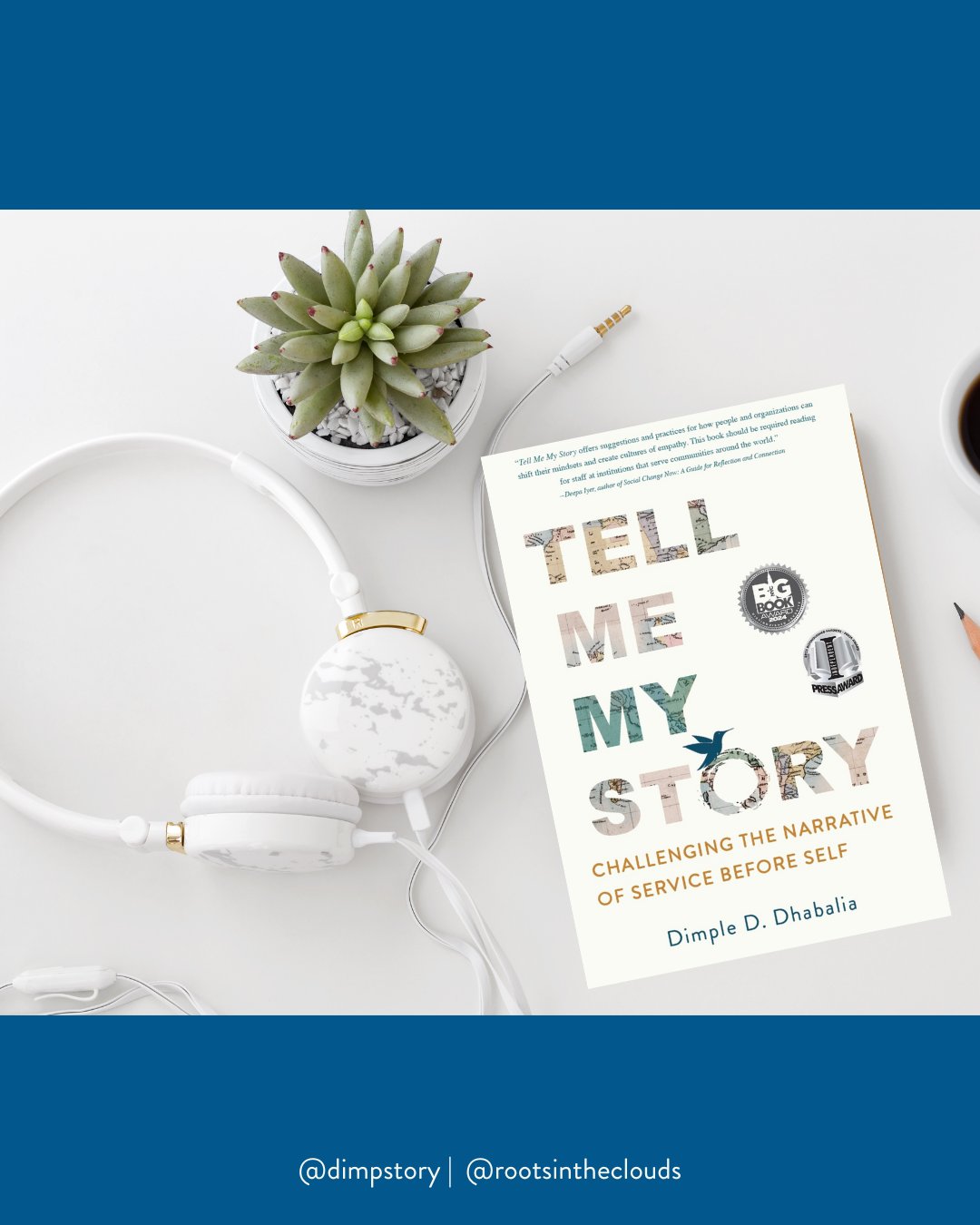
I’m honored to share that the audiobook version of Tell Me My Story: Challenging the Narrative of Service Before Self is now available. If you or someone you love has struggled with what it means to serve without sacrificing your well-being, this book is for you. Part memoir, part manifesto, and 100% my heart. The audiobook is available at most major audiobook retailers and libraries, however, or the time being, I’ve chosen not to make it available on Audible. I’m still assessing that decision, but for now it feels good.
If you listen and find something that resonates, please drop me a line, or better yet, please consider leaving a review. Every review helps indie authors like me reach more people. You can read more about my experience with recording the book here and find links to get the audiobook below.
Written by

subscribe
subscribe to receive new pieces as they're written








Member discussion